Water-proof vs Water-Resistant Outdoor Tents Fabrics
If you've ever before looked for an outdoor tents, you've most likely noticed that not all material asserts mean the exact same point. Some tents are classified "waterproof," others "water-resistant," and the distinction between the two can make or damage your following camping journey. Recognizing what separates these 2 terms will aid you select equipment that in fact keeps you dry when the climate turns.
What "Waterproof" Truly Suggests
A really water resistant outdoor tents fabric is engineered to block water totally, also under sustained pressure. This is normally attained through a combination of firmly woven material, a water-proof covering (like polyurethane or silicone), and sealed joints. Suppliers gauge this capability using a "hydrostatic head" score, which informs you the amount of millimeters of water the textile can withstand before wetness starts to leak via. For referral, a ranking of 1,500 mm is considered a baseline for light rain, while anything above 3,000 mm is suitable for heavy, continual rainstorms.
Water resistant outdoors tents are constructed for significant weather. If you're camping in unpredictable climates, at high altitudes, or during rainy seasons, a fabric with a high hydrostatic head score and taped seams is vital. Without sealed seams, even the most water-resistant material will leak at the stitching, since needle holes create tiny entry points for dampness.
What "Waterproof" Actually Suggests
Waterproof textiles, on the other hand, are made to drive away water somewhat, however they aren't developed to endure extended exposure or heavy rainfall. These textiles commonly rely upon a Long lasting Water Repellent (DWR) finish, which triggers water to bead up and roll off the surface rather than take in. This functions well for light drizzle or early morning dew, however it has limits. Over time, DWR coatings wear down with usage, direct exposure to dirt, and UV rays, which implies a tent that as soon as stood up to water well might start absorbing dampness after a period or more of use.
Water-resistant products are lighter and a lot more breathable than completely waterproof alternatives, that makes them prominent for three-season tents, event sanctuaries, or minimalist backpacking setups where weight and air flow matter more than storm-proofing.
The Compromise: Breathability vs Security
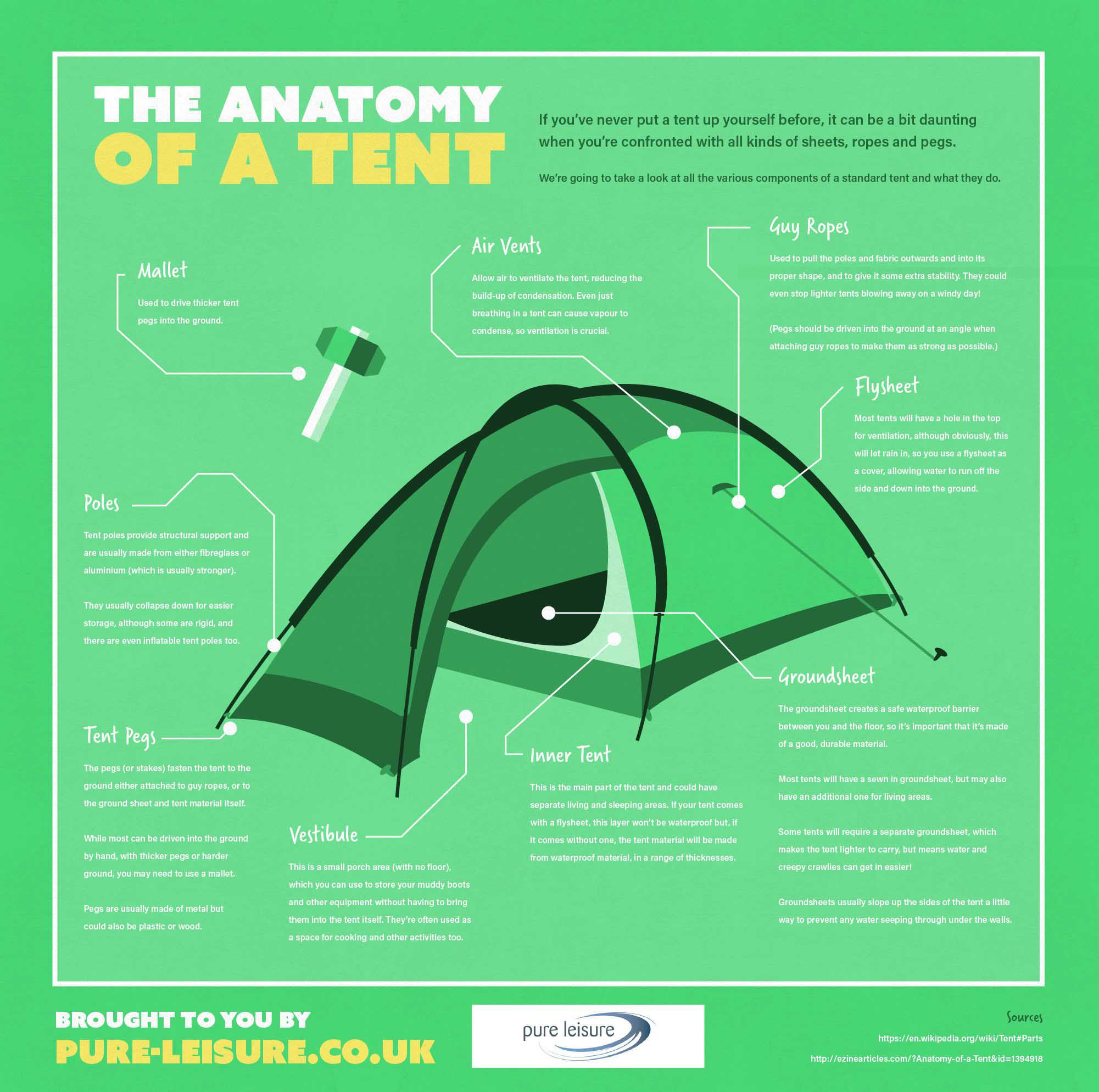
One of the largest factors producers don't simply make every camping tent fully water-proof is breathability. Completely waterproof textiles trap dampness inside the camping tent, leading to condensation build-up from temperature and breath. This is why many outdoors tents utilize a hybrid approach: a water-proof rainfly paired with an extra breathable, water-resistant tent body. This mix allows air to flow while still keeping rainfall out, striking a balance in between comfort and protection.
If you have actually ever gotten up in a tent with wet sleeping bags regardless of no rain overnight, condensation-- not a leakage-- was likely the wrongdoer. This is a common compromise with heavier water-proof fabrics that do not allow wetness vapor to escape.
Exactly how to Check Prior To You Buy
When buying an outdoor tents, don't simply depend on the word "water-proof" on the packaging. Search for the hydrostatic head score, and inspect whether the joints are taped or secured. A textile with a high rating but unsealed seams will still leakage. In addition, examine whether the DWR coating is 8 Person Tent renewable, because numerous makers market after-market waterproofing sprays that can recover water resistance to older equipment.
It's additionally worth considering your specific use case. A backpacker prioritizing pack weight might accept a lighter water-resistant material and pair it with cautious camping area choice, preventing low-lying locations vulnerable to merging. An auto camper heading right into gale period, nonetheless, need to focus on a truly water-proof textile with a high hydrostatic head ranking and totally secured joints.
Keeping Your Outdoor tents's Water Security
Despite which kind of material your camping tent utilizes, appropriate maintenance extends its lifespan. Routinely cleaning your tent, storing it completely dry, and reapplying DWR therapies when water quits beading will certainly assist protect its performance. Seam sealer can additionally be reapplied to maturing camping tents where the factory tape has started to peel off.
Picking What's Right for You
Inevitably, the option between waterproof and water-resistant outdoors tents boils down to where and exactly how you camp. If you often face hefty rainfall or prolonged wet conditions, buy a totally water resistant style with a strong hydrostatic head ranking and secured seams. If you mostly camp in completely dry or light climates and prioritize light-weight equipment, a water-resistant fabric might offer you just fine. Regardless, recognizing these terms ensures you're not caught unsuspecting the following time the skies open.